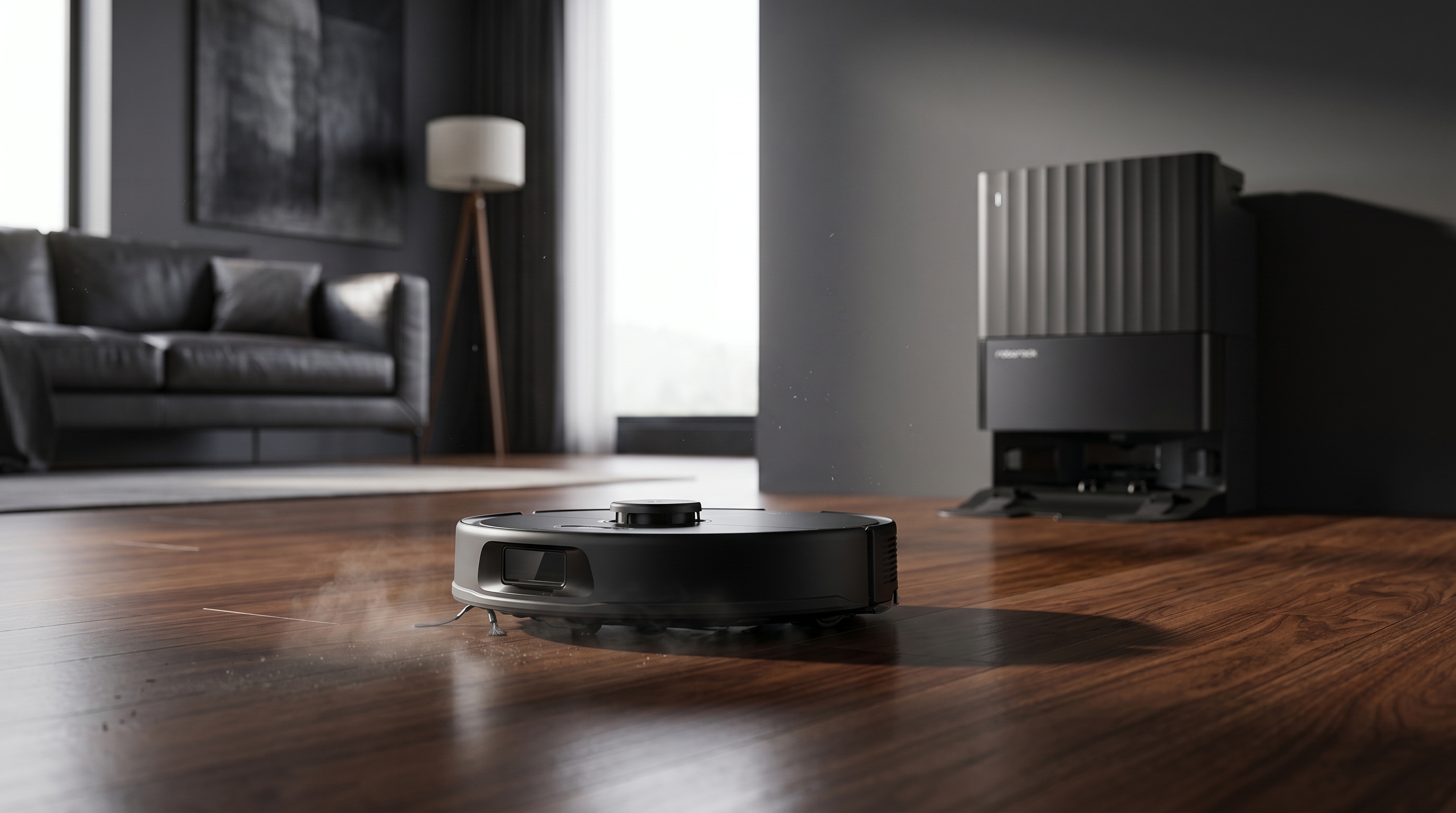
Let’s be honest: modern American life is exhausting. Between commuting, working all day, and managing a household, the absolute last thing you want to do when you finally walk through your front door is grab a heavy vacuum or a dripping mop. Enter the promise of the modern robot vacuum. The industry has exploded in recent years, heavily pushed by influencers claiming these devices will completely change your life and eliminate chores forever. We all desperately want that truly "hands-off" cleaning experience where our floors just magically maintain themselves.
However, if you're a skeptical buyer, you have every right to be. We've all seen these massive, all-in-one base stations that look like spaceships taking up half of your living room wall. You might be wondering if giving up that much floor space—and spending a good chunk of your paycheck—is actually worth it. Over the last several months, I’ve taken a deep dive into the Roborock Qrevo Series, specifically testing and analyzing the Roborock QV 35A Robot Vacuum and Mop (ASIN: B0DQ82FJST). I wanted to cut through the marketing hype and find out if this machine genuinely delivers on its promises, or if it’s just going to create more headaches. Grab a cup of coffee, because we are going to look at the brutal truth about what it's really like to live with this machine.
Before we get into the nitty-gritty details, let’s look at a brutally honest breakdown of the pros and cons. This isn't just based on a quick unboxing; this is pulled directly from extensive real-world testing and long-term user data.
When this robot vacuum is operating in its ideal environment, it genuinely feels like a marvel of modern engineering. Roborock packed the QV 35A with some heavy-hitting specs that directly target the biggest annoyances of older robotic vacuums.
First, let's talk about the 8000Pa HyperForce Suction. In the world of robot vacuums, 8000 Pascals of suction power is top-tier. This kind of raw power is engineered to pull embedded dirt, stubborn debris, and fine sand from deep within your carpets, while leaving hard surfaces practically spotless. If you have muddy paw prints tracked through the house, the combination of this suction and the mopping system handles it surprisingly well.
Next, we have to highlight the SGS-Certified Tangle-Free Brushes. Anyone who has owned a robot vacuum in the past knows the absolute misery of flipping the machine over to cut tightly wound hair off the roller brush with a pair of scissors. The QV 35A uses a full-rubber spiral main brush designed specifically to prevent hair and debris from wrapping around it. Furthermore, the upgraded asymmetrical side brush is actually SGS-certified for a 0% hair tangling rate. During testing with long human hair, it successfully pulled the hair into the dustbin without tangling the rollers, making it a fantastic theoretical choice for homes with pets.
Finally, the 10mm Auto-Mop Lift is the feature that theoretically makes this a true hybrid machine. It utilizes dual spinning mops that rotate at a high-speed 200RPM to scrub away tough stains. But what happens when it approaches your living room rug? Thanks to built-in carpet sensors, the robot automatically lifts the mopping pads by 10mm. This is designed to allow the vacuum to seamlessly transition from mopping your hardwood floors to vacuuming your low-pile carpets without dragging dirty, wet mop pads all over your rugs.
Now, let's get down to the real reason you are reading this review. Influencers might gloss over these issues, but we need to talk about the hidden realities and daily annoyances that come with owning the QV 35A.
The 'Rug Transition' Trap
While that 10mm Auto-Mop lift sounds flawless on paper, the reality in homes with mixed flooring is much different. A massive number of critical reviews highlight that the QV 35A frequently falls into the "Rug Transition" trap. When the robot tries to move from a slick hardwood floor onto a medium or thick-weave area rug, it often gets caught on the edges. It gets the rug edge tangled in the roller or simply gets stranded halfway on and halfway off the carpet. Instead of a hands-free experience, you'll find yourself constantly having to physically rescue the stranded robot. If you have thick throw rugs, this machine will drive you crazy.
Hidden Maintenance Costs
A huge complaint surrounding this device is the ongoing Total Cost of Ownership (TCO). The "All-in-One" dock is great because it washes the mop pads with cold water, blows room-temperature air to dry them, and auto-empties the dustbin. However, keeping this system running requires a constant stream of expensive consumables. You are strictly advised to use only the official, pricey Roborock cleaning solution to prevent damaging the machine. You also have to regularly purchase replacement spinning mop pads and the proprietary 2.7L disposable dust bags.
But the biggest hidden annoyance? The dock's auto-empty feature is fundamentally flawed if you have heavy-shedding pets. The evacuation tube and the opening to the dust bag inside the base station are simply too narrow. If you have a dog with thick hair, like a Labrador, the hair instantly clogs the small opening. Almost nothing makes it into the actual bag, forcing you to manually dig clumps of dirt and pet hair out of the docking station on a regular basis. It completely defeats the purpose of paying for a self-emptying base.
Still think the Roborock Qrevo is right for you?
If your home mostly features bare floors, it might still be a powerful ally.
🛒 Check Price on Amazon →
As an Amazon Associate, we earn from qualifying purchases.